Introduction
Skin tag removal, a medical procedure aimed at excising benign skin growths, has become increasingly significant in various regions, including Glasgow. This article delves into the nuances of skin tag removal within the context of Glasgow, exploring its relevance, the procedures involved, and the impact on individuals' quality of life. We will also examine the broader implications for healthcare systems, economic considerations, technological advancements, and policy frameworks that govern this practice. By the end of this article, readers will have a comprehensive understanding of skin tag removal in Glasgow, its evolution, current state, and future prospects.
Understanding Skin Tag Removal Glasgow
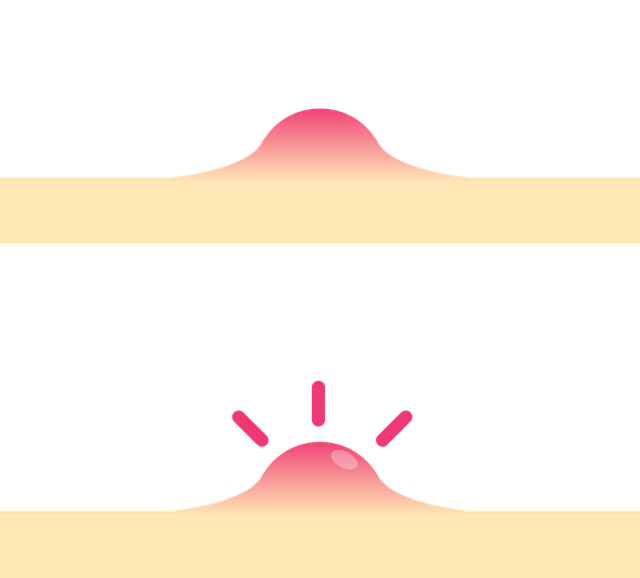
Skin tags, also known as acrochordons, are small, benign skin growths that hang from thin stalks. They are commonly found on the neck, armpits, groin, and under the breasts in older adults. In Glasgow, the prevalence of skin tags is influenced by factors such as age, genetics, and environmental conditions. Skin tag removal is a safe and effective procedure when performed by qualified medical professionals, ensuring minimal scarring and optimal patient outcomes.
The historical context of skin tag removal in Glasgow dates back to traditional methods, including tying threads or applying liquid nitrogen. However, with advancements in medical technology, the procedures have evolved to include more precise and less invasive techniques, such as cauterization, laser surgery, and cryotherapy. These improvements have significantly enhanced patient comfort and satisfaction.
Global Impact and Trends
The phenomenon of skin tag removal is not confined to Glasgow; it is a global concern with varying prevalence rates across different regions. The rise in obesity and aging populations worldwide has led to an increase in the incidence of skin tags, driving demand for safe and effective removal methods. In Scotland, the National Health Service (NHS) provides guidelines and funding for skin tag removal, reflecting its recognition as a health concern.
Internationally, trends show a shift towards preventive dermatology, with a growing emphasis on early detection and treatment of skin conditions, including skin tags. The popularity of cosmetic procedures also plays a role in the rise of skin tag removal, as individuals seek to improve their appearance.
Economic Considerations
The economic aspects of skin tag removal are multifaceted, encompassing healthcare expenditure, market dynamics, and investment patterns. In Glasgow, the NHS plays a crucial role in providing accessible skin tag removal services. However, with the increasing demand for dermatological procedures, private clinics have also emerged to offer alternatives, influencing the economic landscape of the city's healthcare sector.
Market dynamics are influenced by factors such as technological advancements, consumer preferences, and regulatory changes. Investment in research and development for new removal techniques can lead to cost reductions and improved outcomes, potentially opening up new markets and revenue streams. The role of "Skin Tag Removal Glasgow" within economic systems is significant, contributing to the local economy through job creation, innovation, and consumer spending.
Technological Advancements
Technological advancements have revolutionized skin tag removal, offering safer, more efficient, and less painful options for patients. Innovations such as advanced cryotherapy systems, precise laser technology, and novel suture techniques have improved treatment outcomes and patient satisfaction.
In Glasgow, the adoption of these technologies has been gradual but consistent, with medical professionals undergoing specialized training to perform these procedures effectively. The future potential of technology in skin tag removal is promising, with researchers exploring biodegradable sutures and AI-driven diagnostic tools that can distinguish between benign and malignant growths more accurately.
Policy and Regulation
The policies and regulations governing skin tag removal in Glasgow are stringent, ensuring the safety and efficacy of treatment. The NHS provides clear guidelines for the procedure's execution and eligibility criteria. These regulations help maintain high standards of care and prevent misuse or harmful practices.
Legislative frameworks at both national and local levels influence the availability, cost, and quality of skin tag removal services. Regulatory bodies such as the Care Quality Commission (CQC) in England and the Healthcare Improvement Scotland (HIS) in Glasgow ensure that clinics adhere to strict safety and hygiene protocols. These regulations are critical for patient protection and the overall reputation of the medical community.
Challenges and Criticisms
Despite its prevalence and the advancements in treatment, skin tag removal is not without its challenges and criticisms. One of the primary concerns is the potential for overdiagnosis and unnecessary procedures, which can be addressed through clear guidelines and patient education. Additionally, some critics argue that the focus on cosmetic dermatology diverts resources from more critical health issues.
To overcome these challenges, a multifaceted approach is necessary. This includes public awareness campaigns to educate individuals on the nature of skin tags and the importance of seeking treatment only for medically justified reasons. Furthermore, healthcare providers must engage in ethical practice by considering the long-term implications and patient well-being over immediate financial gains.
Case Studies
Several case studies from Glasgow demonstrate successful outcomes following skin tag removal procedures. One notable case involved an individual with numerous skin tags caused by a genetic condition. After undergoing a series of laser removals, the patient experienced significant improvements in both appearance and self-esteem. Another case highlighted the successful treatment of a large skin tag that was obstructing a diabetic patient's vision; the removal procedure restored the patient's sight.
These case studies underscore the importance of accessible and effective skin tag removal services and the positive impact they can have on patients' lives.
Conclusion
Skin tag removal in Glasgow is a multifaceted issue with implications for public health, economics, technology, policy, and ethics. The city's approach to managing skin tags reflects a commitment to patient safety, innovative medical practices, and responsible healthcare delivery. As advancements continue to shape the future of dermatological treatments, "Skin Tag Removal Glasgow" remains at the forefront of providing high-quality, accessible care to its residents. The challenges faced by the community are met with resilience and a dedication to continuous improvement, ensuring that skin tag removal services evolve in tandem with global trends and local needs.
September 30, 2025
Skin Tag Removal Glasgow
Skin tags, caused by friction and irritation, are harmless but often removed for cosmetic reasons. U.......
Read more →
September 28, 2025
Skin Tag Removal Glasgow
Skin tags, linked to various factors like obesity and age, can be managed through regular skin check.......
Read more →
September 26, 2025
Skin Tag Removal Glasgow
Skin tags, caused by friction, weight gain, hormonal changes, or medical conditions, are common in G.......
Read more →
September 24, 2025
Skin Tag Removal Glasgow
Skin tags, common growths in friction areas, can be removed at home safely with tweezers, scissors,.......
Read more →
September 22, 2025
Skin Tag Removal Glasgow
Skin tags, caused by genetics, hormonal changes, obesity or pregnancy, are common growths in areas o.......
Read more →
September 20, 2025
Skin Tag Removal Glasgow
Skin tags, harmless but unsightly growths caused by genetics, hormonal changes, obesity or irritatio.......
Read more →
September 18, 2025
Skin Tag Removal Glasgow
Skin tags, common benign growths, can be removed at home in Glasgow using safe methods like salicyli.......
Read more →
September 16, 2025
Skin Tag Removal Glasgow
Skin tags, common growths in Glasgow, are influenced by factors like friction, hormones, obesity and.......
Read more →
September 14, 2025
Skin Tag Removal Glasgow
Skin tags, or acrochordons, are small growths commonly found in various body areas. While harmless,.......
Read more →
September 12, 2025
Skin Tag Removal Glasgow
Skin tags, small skin growths caused by trauma to collagen and elastic fibers, can be removed for ae.......
Read more →
September 10, 2025
Skin Tag Removal Glasgow
Skin tags, common growths in moist areas, are linked to hormones, pregnancy, obesity and genetics. R.......
Read more →
September 8, 2025
Skin Tag Removal Glasgow
Genetic predisposition to skin tags exists, inherited through specific genes affecting skin growth........
Read more →
September 6, 2025
Skin Tag Removal Glasgow
Skin tags, common growths in friction areas, are harmless but sometimes removed for cosmetic reasons.......
Read more →
September 4, 2025
Skin Tag Removal Glasgow
Genetic predisposition and conditions like Acromegaly or PCOS increase the risk of skin tags in Skin.......
Read more →
September 2, 2025
Skin Tag Removal Glasgow
Skin tags, benign growths caused by friction, genetics, or obesity, are common in Glasgow and global.......
Read more →
August 31, 2025
Skin Tag Removal Glasgow
Skin tags, medically acrochordons, are soft growths commonly found on neck, armpits, and groin. Non-.......
Read more →
August 29, 2025
Skin Tag Removal Glasgow
Skin tags in Glasgow are soft growths on skin folds, often removable naturally. Apple cider vinegar,.......
Read more →
August 27, 2025
Skin Tag Removal Glasgow
Skin tags, caused by friction, genetics or aging, are common growths on neck and armpits. Harmless b.......
Read more →
August 25, 2025
Skin Tag Removal Glasgow
Skin tags, caused by friction and common in Glasgow, are soft growths that can be removed safely at.......
Read more →
August 23, 2025
Skin Tag Removal Glasgow
Tea tree oil, known for its antimicrobial and anti-inflammatory properties, offers a natural alterna.......
Read more →
August 21, 2025
Skin Tag Removal Glasgow
Skin Tag Removal Glasgow costs £30-£150 per treatment, varying by method (cryotherapy, e.......
Read more →
August 19, 2025
Skin Tag Removal Glasgow
Skin tags, common growths caused by friction, prompt many in Glasgow to seek Skin Tag Removal Glasgo.......
Read more →
August 17, 2025
Skin Tag Removal Glasgow
In Glasgow, understanding skin tags' causes and types is key to effective treatment. Natural re.......
Read more →
August 15, 2025
Skin Tag Removal Glasgow
Skin tags, caused by protein abnormalities, commonly appear in specific areas. Glasgow's demand.......
Read more →
August 13, 2025
Skin Tag Removal Glasgow
Skin tags, medically known as acrochordons, are small bumps on the body with various causes. Non-sur.......
Read more →
August 11, 2025
Skin Tag Removal Glasgow
Skin tags, caused by friction and trauma, are preventable through lifestyle changes. A skincare rout.......
Read more →
August 9, 2025
Skin Tag Removal Glasgow
Skin tags, benign growths common in areas of friction, are a concern for many in Glasgow seeking Ski.......
Read more →
August 7, 2025
Skin Tag Removal Glasgow
Skin tags, common growths in friction areas, can be removed for cosmetic reasons or discomfort. Glas.......
Read more →
August 5, 2025
Skin Tag Removal Glasgow
Skin tags, though harmless, may be removed naturally with tea tree oil, known for its antimicrobial.......
Read more →
August 3, 2025
Skin Tag Removal Glasgow
Skin tags, benign growths caused by friction, can be cosmetically removed in Glasgow using various m.......
Read more →
August 1, 2025
Skin Tag Removal Glasgow
Skin tags, caused by friction and irritation, can be removed in Skin Tag Removal Glasgow for aesthet.......
Read more →
July 30, 2025
Skin Tag Removal Glasgow
Skin tags, common soft growths linked to collagen and friction, can cause discomfort in sensitive ar.......
Read more →
July 28, 2025
Skin Tag Removal Glasgow
Skin tags, common growths on neck, armpits, or groin, can be removed in Skin Tag Removal Glasgow usi.......
Read more →
July 26, 2025
Skin Tag Removal Glasgow
Skin tags, harmless growths common on neck, armpits, groin, can be removed in Glasgow using various.......
Read more →
July 24, 2025
Skin Tag Removal Glasgow
Skin tags, benign growths common on the neck, armpits, and groin, can be removed in Glasgow through.......
Read more →
July 22, 2025
Skin Tag Removal Glasgow
Skin tags, soft skin growths common due to friction or irritation, can be removed for cosmetic reaso.......
Read more →
July 20, 2025
Skin Tag Removal Glasgow
Skin tags, medically known as acrochordons, are small growths caused by friction or certain conditio.......
Read more →
July 18, 2025
Skin Tag Removal Glasgow
Skin tags, benign growths common in areas of friction, can be removed through various non-invasive m.......
Read more →
July 16, 2025
Skin Tag Removal Glasgow
Skin tags, or acrochordons, are small growths caused by friction or irritation, appearing commonly o.......
Read more →
July 14, 2025
Skin Tag Removal Glasgow
Skin tags in Glasgow can be safely and naturally removed with tea tree oil, known for its antimicrob.......
Read more →
July 12, 2025
Skin Tag Removal Glasgow
Skin tags, common in Glasgow's active lifestyle, can be addressed using natural methods like ap.......
Read more →
July 10, 2025
Skin Tag Removal Glasgow
Skin tags, harmless but irritating skin growths, can be removed in Glasgow using various methods. Ov.......
Read more →
July 8, 2025
Skin Tag Removal Glasgow
Skin tags, common growths in friction areas, range from harmless acral types to larger verrucous one.......
Read more →
July 6, 2025
Skin Tag Removal Glasgow
In Glasgow, diverse non-surgical skin tag removal options are available, catering to those seeking a.......
Read more →
July 4, 2025
Skin Tag Removal Glasgow
Skin tags, common skin growths caused by friction or conditions like eczema and diabetes, can be rem.......
Read more →
July 2, 2025
Skin Tag Removal Glasgow
Skin tags, medically known as acrochordons, are common growths found in areas of friction or irritat.......
Read more →
June 20, 2025
Skin Tag Removal Glasgow
Skin tags, common yet often troublesome growths, are influenced by friction, genetics, hormonal chan.......
Read more →
June 18, 2025
Skin Tag Removal Glasgow
Skin tags, caused by friction and irritation, can be managed with professional Skin Tag Removal Glas.......
Read more →
June 16, 2025
Skin Tag Removal Glasgow
Skin tags, harmless growths common in childhood, can be found in various locations. Glasgow resident.......
Read more →
June 14, 2025
Skin Tag Removal Glasgow
Skin tags, common growths in friction areas, can be managed through professional or DIY methods in G.......
Read more →